Field lab · nutrition layer
Patterns that make shopping, cooking, and snacking feel lighter
This page is a long notebook, not a prescription pad. It walks through the places where everyday eating usually breaks down—lists, plates, between-meal gaps, and packaging noise. Everything stays descriptive. For anything that sounds like your private health file, a registered professional in your own country is the right person to see.
Why the list beats the “perfect” pantry
Reality is a small fridge, a week that may include two late meetings, and a child who will only accept certain shapes of pasta. We like lists that you can build from what you already buy, then nudge in one or two new ingredients when energy allows. That keeps cost and cognitive load in the same room as the ambition to eat more variety over time, without a hero narrative about a total “life reset”.
When you add one extra vegetable line each week, you are already changing the week’s pattern. We describe how to look at a basket before checkout so the cart matches the list more often than it fights it, and what to do with the loose items that show up on impulse, without a moral label on the person who put them in.
Visual anchor
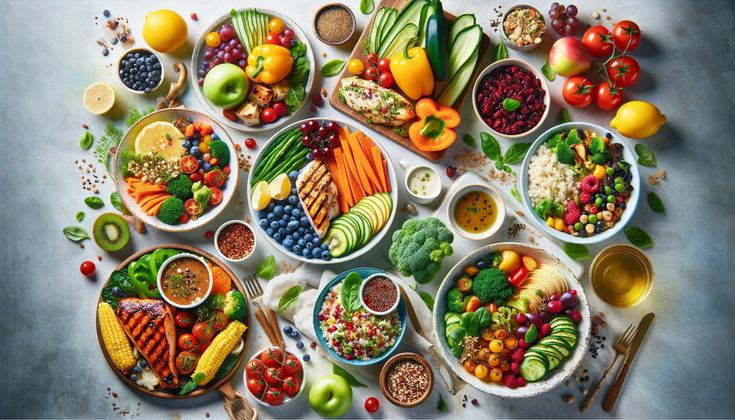
The geometry in the hero is a reminder that balance can be visual before it is ever counted. Shapes, colour blocks, and a calm palette help the eye rest while you read—similar to a plate you build by intuition after doing it a few dozen times, not a spreadsheet.
Sequence
Shop in three passes
First pass: the vegetables and fruit you will actually eat before they turn. Second: proteins and dairy or alternatives you already use. Third: dry goods and the few extras. Pausing between passes on your phone, even for twenty seconds, often catches the “story” item that does not match the week you are in.
Picture the plate in rough thirds
Not as a law, as a way to see drift. If one part quietly takes more space for weeks, you notice without needing to weigh. We avoid turning that picture into a medical protocol; it is a self-observation tool for adults who are not in acute clinical care, unless your own care team has given a different, tailored rule.
Boring is allowed between meals
Plain yogurt, a piece of fruit, a handful of nuts in a small bowl, or crackers you do not have to think about: predictability can reduce the noise of constant decision-making. We describe a few “low drama” options without shaming more elaborate snacks when that is what the day has room for.
Read the front, then the back
Packaging in Europe mixes mandatory facts with adjectives. We show how to separate what the label must state from what it may suggest, so you can compare two similar jars without a marketing voice in your head. The purchase decision stays yours, including when price or access limits choice.
Flip ideas
Drinks
Beverage habits change slowly because they are tied to break rooms, commutes, and family rituals. Hover to read our angle (desktop) or read the back below (mobile).
We talk about water, unsweetened tea, and the simple fact that a sweet drink’s kilojoules are easy to forget when you are tired, without scolding a particular brand or a person. Balance is where the week’s rhythm can catch those patterns.
Restaurants
Eating out is part of most cities; Amsterdam included. A single meal out does not define a life pattern—what you do on ordinary Tuesday evenings usually does more.
We point to small choices that keep the experience enjoyable without turning dinner into a spreadsheet: splitting portions, taking food home, or choosing vegetables as a first course when the menu offers them plainly.
Freezer and batch
Cooking double when you have energy, then freezing a flat pack, is a way to buy future time without a subscription service.
We note labelling, cooling down before freezing, and realistic reheating, still in a non-clinical, safety-aware tone that defers to local food-safety resources for detail.
Gentle variety
“Eat the rainbow” is a slogan, not a moral test. We prefer rotating one new thing at a time so the household can object honestly without a fight at every meal.
A chart on the wall or a note in a phone can list what you tried, what worked, and what to skip without guilt, which is information you own—not a public scoreboard.
Two paragraphs we always mean
We do not tell you that a specific food will change a disease outcome, because that would be a medical claim. We can tell you that many public guides encourage vegetables, fibre, and mindful portion habits for general well-being, and we can help you read those sources with a steady eye, always deferring the personal to your licensed provider.
Where the Balance page comes in
When you are ready to think in weeks, not only in single meals, the Balance view connects these shopping and plate ideas to a calmer way to look at Sunday notes, midweek wobble, and the Friday close-out of leftovers, still without a daily grade.
Carry the thread into the week’s arc
The Balance view names “good enough” in a way that does not need streaks, streak savers, or a leaderboard. It is a different texture from this list-heavy page, on purpose, so you can read what you need without scrolling one endless wall.
Open the balance view